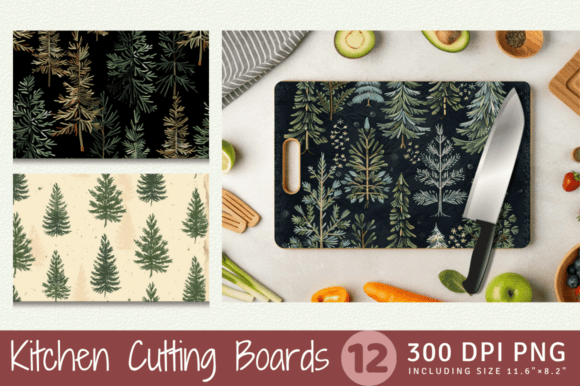
Pine Trees Embroidery Cutting Boards Sub Review
As a designer who has spent countless hours digitizing and stitching out patterns for clients, I have learned that the difference between a good design and a great one often lies in how it translates from screen to fabric. When I first opened Pine Trees Embroidery Cutting Boards Sub, my initial reaction was not just about the aesthetic appeal, but about its potential utility in real-world applications. This is not merely a static image; it is a piece of digital art categorized under Illustrations and Graphics that demands careful consideration before it hits the needle.
First Impressions and Visual Mood
The design evokes a sense of rustic warmth and culinary tradition. The pine tree motif, combined with the cutting board theme, creates an immediate association with home cooking, holiday gatherings, and artisanal kitchenware. For embroidery designers and small business owners, this mood is crucial. It speaks directly to a demographic that values handmade quality and natural aesthetics. The layout feels balanced, avoiding the clutter that often plagues complex sublimation-style graphics when they are adapted for stitch work.
However, because this is described as a sublimation design intended for high-quality cutting board decor, we must approach it with a critical eye. Sublimation allows for infinite color gradients and fine details that embroidery simply cannot replicate. Therefore, using Pine Trees Embroidery Cutting Boards Sub requires a strategic translation of these visual elements into thread. The challenge lies in maintaining the integrity of the pine tree silhouette and the texture of the wood grain without creating a dense, stiff patch of stitches.
Real-World Application Scenarios
To truly evaluate this asset, I imagined several practical scenarios where this design could shine. Consider a custom embroidered tote bag for a local farmers' market vendor. The rustic pine tree motif would complement canvas fabric beautifully, adding a touch of woodland charm to a functional item. Alternatively, think about a personalized gift for a cooking enthusiast. An apron featuring this design, stitched with earthy greens and warm browns, would make for a thoughtful holiday embroidery present that feels both professional and personal.
For Etsy sellers and craft business owners, versatility is key. This design could work well on sweatshirt embroidery projects, particularly for fall and winter collections. The organic shapes of the trees lend themselves well to the soft drape of cotton blends. However, one must be cautious with placement. On a curved surface like a cap or a baby onesie, the width of the cutting board element might need adjustment to prevent distortion. In my experience, simplifying the background details while keeping the pine trees prominent ensures the design remains legible even on smaller items like embroidered patches or tea towels.
Technical Considerations for Stitching
When dealing with a design that originates from a sublimation background, stitch density becomes a primary concern. A direct conversion might result in excessive fill stitch usage, leading to a heavy, rigid finish. To avoid this, I recommend analyzing the design for opportunities to use satin stitch for outlines and running stitch for finer details. This approach reduces bulk and allows the fabric texture to show through, enhancing the handmade product feel.
Fabric choice plays a significant role here. On textured fabrics like linen or heavy cotton, the design needs sufficient contrast to stand out. Thread colors should be selected carefully; muted greens, deep browns, and cream tones will likely yield the best results. If you are working with dark fabric, ensure that the design includes enough light-colored elements or consider using a lighter stabilizer to prevent the background from swallowing the details. For stretchy fabrics, such as those used in custom apparel, proper stabilization is non-negotiable to prevent puckering around the dense areas of the pine trees.
Navigating Potential Pitfalls
While the concept is strong, there are areas where Pine Trees Embroidery Cutting Boards Sub requires careful handling. Small hoop sizes may necessitate cropping or simplifying the design. If the original graphic includes tiny lettering or intricate wood grain patterns, these may not translate well into thread. In embroidery, less is often more. I advise reviewing the design at 100% zoom to identify any elements that are too fine for standard needles and threads. These should be removed or thickened to ensure stitching clarity.
Another consideration is the commercial viability of the design. Since it is marketed towards print-on-demand sellers and kitchen decor, ensure that your use case aligns with the licensing terms. If you are creating digital embroidery files for sale, verify that you have the rights to modify and redistribute the design. For physical products, test the durability of the stitches if the item will undergo frequent washing, such as kitchen towels or aprons. A well-digitized design should withstand multiple wash cycles without significant fraying or distortion.
Enhancing Brand Value and Customer Trust
Using high-quality design assets like this can significantly boost the perceived value of your finished product. Customers associate clean, well-executed embroidery with professionalism and care. By choosing a design that resonates with current trends in home decor and culinary arts, you position your brand as attuned to customer preferences. This is particularly important for boutique branding and small shop products where uniqueness sets you apart from mass-produced alternatives.
Moreover, the versatility of this design allows for consistent branding across different product lines. You can use the same pine tree motif on tote bags, pillow covers, and wall hangings, creating a cohesive collection that appeals to a specific niche. This consistency builds recognition and trust among your buyers, encouraging repeat purchases and positive reviews.
Practical Designer Notes
Before committing to a full production run, always test the design on scrap fabric similar to your final material. Check the thread color contrast under different lighting conditions, as this can dramatically affect the visual appeal. Create black and white mockups to assess the balance of light and dark areas, ensuring that the design does not appear muddy or indistinct.
Confirm the hoop size compatibility with your machine and adjust the scaling if necessary. If the design includes complex fills, consider breaking them into smaller sections to reduce jump stitches and improve efficiency. Finally, always double-check the license agreement for Pine Trees Embroidery Cutting Boards Sub to ensure compliance with your intended use, whether for personal gifts or commercial embroidery projects. By taking these steps, you transform a simple graphic into a valuable, high-quality embroidery file that enhances your craft business and delights your customers.