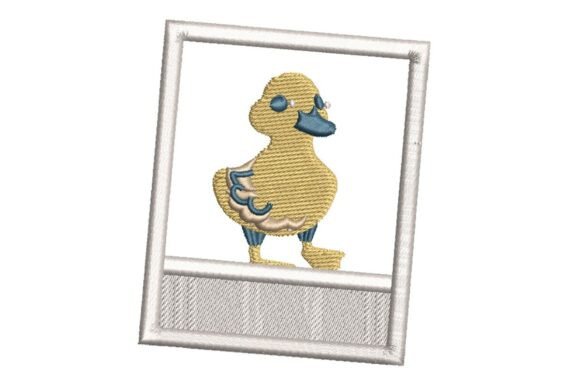
Review: Cute Baby Duck in Photo Frame Embroidery Design
As an embroidery designer who has spent years digitizing files for small business merchandise, I approach every new machine embroidery design with a critical eye. It is not just about whether a motif looks cute on a screen; it is about how that design translates to fabric, withstands washing, and serves the brand identity of the client. Today, I am reviewing the Cute Baby Duck in Photo Frame Embroidery Design, a piece from the Baby Animals category that promises charm and versatility for spring-themed or nursery-focused projects.
First Impressions and Visual Personality
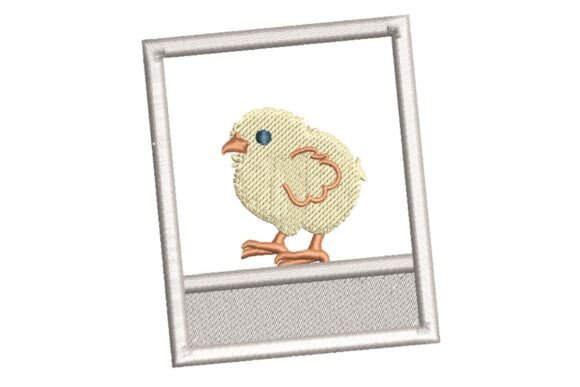
The initial visual impact of this design is undeniably friendly and playful. The concept of a stylized baby duck peeking out from a tilted photo frame creates a sense of whimsy that appeals immediately to parents, pet lovers, and customers seeking handmade warmth. Unlike rigid corporate logos, this design feels decorative and approachable. The description notes that the duck is rendered in a textured light style, which suggests a softer, more organic look rather than a heavy, blocky fill. This is crucial for modern branding, where consumers often prefer subtle, artisanal aesthetics over loud, industrial graphics.
For boutique owners and Etsy sellers, this visual personality is a strong asset. It communicates care and creativity, aligning perfectly with brands that sell handmade products or curated gift items. However, "cute" can sometimes border on childish, so the key to professional use lies in execution and placement.
Real-World Business Applications
When evaluating a digital embroidery file for commercial use, I always map out potential applications. Here is how this specific design performs across various merchandise types:
- Embroidered Patches: This is perhaps the strongest use case. The photo frame element provides a natural border, making it ideal for iron-on or sew-on patches. These can be sold as standalone accessories or used to customize denim jackets and tote bags.
- Apron Embroidery: For bakeries, florists, or craft studios, this design works beautifully on aprons. It adds a touch of personality to staff uniforms without being overly distracting. The farm animal theme fits seamlessly with organic food brands or garden centers.
- Tote Bag Design: A centered placement on a canvas tote creates an attractive, seasonal product. The tilted frame adds dynamic movement, preventing the design from looking static on a flat surface.
- Cap Embroidery: While possible, this requires caution. The width of the frame must fit within the standard cap front panel. If the design is too wide, it will wrap around the curve, distorting the image.
- Customer Gifts and Packaging: Small versions of this design can be embroidered on fabric tags or small pouches included with purchases, enhancing the unboxing experience and reinforcing brand identity.
Technical Considerations for Production
Before running this design on a production machine, there are several technical factors to address. The description mentions a "textured" render, which often implies varied stitch directions or lighter fill densities. While this creates visual interest, it can pose challenges on certain fabrics.
Stitch Density and Fabric Texture: On loose-weave fabrics or thin cottons, a light fill might not provide enough coverage, allowing the fabric color to show through unintentionally. Conversely, on thick fleece or towels, the texture might get lost. I recommend testing the design on the exact fabric type you intend to use. Always use an appropriate stabilizer—cut-away for stretchy fabrics and tear-away for stable wovens—to prevent puckering, especially around the frame edges.
Thread Colors and Contrast: The success of this design relies heavily on thread color contrast. The duck needs to stand out against the frame, and both need to contrast with the garment. If you are embroidering on dark uniforms, you may need to adjust the color palette or add an underlay to ensure visibility. Test it in black and white first to check if the shapes remain distinct without color reliance.
Hoop Size and Scaling: Since the exact hoop size and stitch count are not provided in the brief, you must verify these details before purchase. Ensure the design fits your standard hoop sizes without excessive resizing, which can distort stitch density. If you scale it down too much for a small patch, the fine details of the duck’s face or the frame tilt may merge, losing clarity.
Brand Identity and Customer Trust
Using consistent, high-quality design assets like this helps build a cohesive brand identity. When customers see the same charming duck motif on your website, your packaging, and your physical merchandise, it creates recognition and trust. It signals that your brand is thoughtful and detail-oriented.
However, professionalism is key. A poorly stitched version of a cute design can look amateurish. Ensure your tension is correct and that there are no thread breaks or jumps visible in the final product. A clean finished product elevates the perceived value of the item, allowing you to charge premium prices for custom apparel and handmade goods.
Where to Use Caution
While versatile, this design is not suitable for every application. Avoid using it on items that require frequent, harsh industrial washing, such as heavy-duty workwear, unless you secure the threads meticulously. The textured fills may wear faster than solid satin stitches. Additionally, be cautious with tiny lettering if you plan to add text around the frame; small fonts often fail to stitch out cleanly at smaller sizes.
Final Verdict for Small Business Owners
The Cute Baby Duck in Photo Frame Embroidery Design is a strong contender for spring collections, nursery decor lines, and boutique merchandise. Its playful nature engages customers, while the frame structure offers a contained shape that is easier to manage than free-form characters.
Before integrating this into your small business merch lineup, take these practical steps:
- Confirm the commercial licensing terms to ensure you can sell items made with this file.
- Create a printable mockup to visualize placement on caps, totes, and aprons.
- Run a test stitch on your actual production fabric with the intended stabilizer.
- Check the stitch count to estimate production time and cost accurately.
By treating this design as a strategic business asset rather than just a decorative element, you can leverage its charm to drive engagement and sales. Whether you are creating branded patches for a local café or designing custom apparel for a pet brand, this design offers a delightful way to connect with your audience through quality commercial embroidery.