Review: Stylized Fucus Seaweed Embroidery Design
As an embroidery designer who has spent years digitizing artwork for small businesses, I know that the difference between a generic logo and a memorable brand asset often lies in the details. When I first loaded the Stylized Fucus Seaweed Embroidery Design into my software, I was immediately struck by its organic flow and textured appeal. This is not just a decorative element; it is a strategic tool for brands looking to convey authenticity, coastal charm, or natural elegance. For shop owners, Etsy sellers, and apparel decorators, understanding how this design performs on actual fabric is crucial before committing to production runs.
First Impressions: Visual Personality and Brand Fit
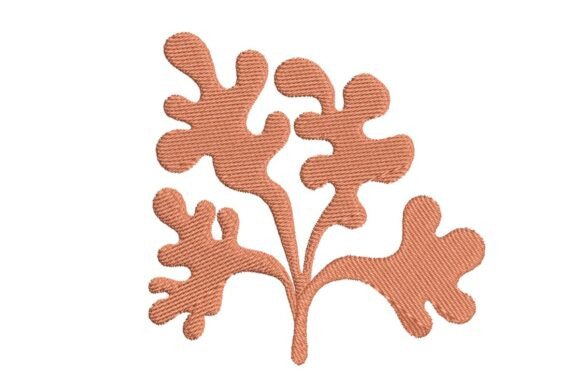
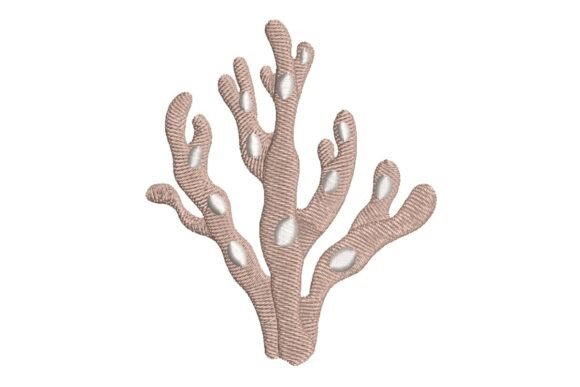
The Stylized Fucus Seaweed Embroidery Design features a multi-branched structure inspired by Rockweed or Bladderwrack, commonly found along rugged coastlines. Visually, it strikes a balance between rustic and refined. The textured reddish tones suggested in the description offer warmth, but the true power of this piece lies in its versatility. It feels handmade yet professional, avoiding the stiff, vector-like appearance that plagues many digital embroidery files.
For a boutique florist, a seaside café, or an eco-conscious skincare brand, this design communicates a connection to nature without being overly literal. It fits perfectly within the Single Flowers category of botanical motifs but offers a more unique, less cliché alternative to standard roses or sunflowers. The stylized approach ensures it remains modern, appealing to customers who value artisanal quality over mass-produced aesthetics.
Real-World Applications for Small Business Merch
When evaluating a machine embroidery design for commercial use, I always ask: where does it add the most value? Here is how the Stylized Fucus Seaweed Embroidery Design performs across various merchandise types:
- Embroidered Patches: This is perhaps the strongest application. The multi-branched structure creates a distinctive shape that works well as a standalone patch. It can be sewn onto denim jackets, canvas bags, or even laptop sleeves, serving as a subtle badge of brand identity.
- Apron Embroidery: For bakeries, florists, or craft studios, placing this design on the chest pocket of a staff apron adds a touch of sophistication. It elevates the uniform from mere workwear to a curated part of the customer experience.
- Cap Embroidery: A simplified version of this seaweed motif can sit beautifully on the side panel of a baseball cap or the front of a beanie. It offers a break from the typical bold text logos, providing a softer, more approachable look.
- Tote Bag Design: Canvas totes are a staple for retail shops. Embroidering this design near the handle or in the corner creates a high-value perception. Customers are more likely to reuse a bag with intricate embroidery than one with a simple screen print.
- Custom Apparel: Use it as a sleeve detail on long-sleeve tees or as a small chest accent on polo shirts. It works exceptionally well for brands that want to signal attention to detail.
Technical Considerations and Production Notes
While the aesthetic is strong, successful execution depends on technical precision. As a designer, I recommend several steps before running this digital embroidery file on your main production machines.
First, consider the stitch density. Botanical designs with textured fills can sometimes become too dense, leading to puckering on lightweight fabrics. If you are embroidering on thin cotton or linen, ensure you use a high-quality cut-away stabilizer to support the stitches. For heavier materials like denim or canvas tote bags, a tear-away stabilizer may suffice, but testing is essential.
Second, evaluate the thread colors. The description mentions textured reddish tones, which are beautiful, but consider how they contrast with your base fabric. On dark uniforms, you might need to adjust the color palette to include lighter highlights to ensure the branches do not disappear into the background. Conversely, on light-colored merch, deeper greens or browns might provide the necessary definition.
Third, check the hoop size requirements. While the exact dimensions are not specified in the brief, botanical designs often require a medium hoop to capture the full spread of the branches. Ensure the design fits within your standard hoop sizes to avoid re-digitizing or resizing, which can distort the stitch angles.
Where to Use Caution
Not every surface is suitable for every design. The Stylized Fucus Seaweed Embroidery Design has intricate branching that requires careful handling in specific scenarios:
- Small Patch Sizes: If you scale this down too much for a tiny label or a small hat logo, the fine details of the branches may merge, losing the intended texture. Always create a printable mockup at actual size to check for clarity.
- Curved Surfaces: Embroidering on curved areas like the crown of a cap can cause distortion. Ensure the design is centered and properly hooped to prevent the seaweed structure from looking warped.
- High-Wash Items: If used on items that will undergo frequent industrial washing, such as restaurant uniforms, ensure the stitch density is robust enough to withstand wear without unraveling. Dense satin stitches on the outer edges can help protect the fill areas.
- Textured Fabric: On highly textured fabrics like terry cloth or heavy wool, the finer details of the seaweed may get lost. In these cases, consider simplifying the design or increasing the stitch count slightly to enhance visibility.
Enhancing Brand Identity and Customer Trust
In the world of small business merch, consistency is key. Using a cohesive set of design assets helps build recognition. The Stylized Fucus Seaweed Embroidery Design can serve as a secondary brand mark, complementing your primary logo. It adds a layer of storytelling, suggesting values of sustainability, nature, and craftsmanship.
Customers often associate embroidery with higher quality and durability compared to printed graphics. By incorporating this embroidery into your product line, you increase the perceived value of the finished product. Whether it is a gift with purchase or a premium item for sale, the tactile nature of the thread engages the customer physically, fostering a deeper connection to your brand.
Final Designer Recommendations
Before launching this design into your commercial embroidery workflow, take these practical steps:
- Test in Black and White: Remove color variables to ensure the shape and structure hold up without hue assistance. If it looks muddy in grayscale, adjust the contrast.
- Verify Licensing: Confirm that the embroidery file comes with a commercial license allowing you to sell physical goods featuring the design. Never assume; always check the terms.
- Create Client Mockups: If you are a decorator working for clients, show them realistic renderings of the design on their specific garments. This manages expectations and reduces revision rounds.
- Compare with Other Assets: Place this design alongside your existing branding elements. Does it complement your fonts and color palette? Visual harmony drives professional presentation.
The Stylized Fucus Seaweed Embroidery Design is a versatile, high-potential asset for any brand rooted in nature or artisanal values. With proper technical preparation and strategic placement, it can elevate your merchandise from simple promotional items to cherished keepsakes. Treat it with the care it deserves, and it will reward your business with enhanced brand loyalty and visual distinction.