Mandala Satin Stitch: A Designer’s Craft Fair Review
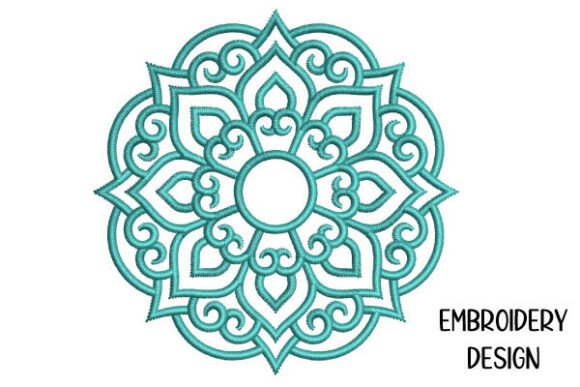
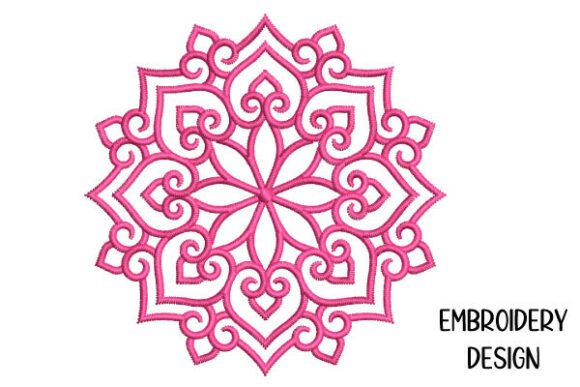
As an embroidery designer who has spent countless weekends behind a folding table at local markets, I have learned that not every digital file translates into a bestseller. When I first loaded the Mandala Embroidery – Satin Stitch onto my machine for a test run, my immediate goal was to determine if it had the visual punch required for a busy craft fair booth. The description promises an elegant look combining symmetry and flow, and in the world of handmade goods, elegance often commands a higher price point than novelty.
This review is written from the perspective of a maker preparing for a high-traffic weekend market. We are looking at this machine embroidery design not just as art, but as a craft fair product that needs to sell. Whether you are an Etsy seller optimizing your listings or a boutique maker filling shelves, understanding how this design performs in the real world is crucial for your bottom line.
First Impressions: Elegance Over Novelty
The first thing that strikes me about this Mandala Embroidery – Satin Stitch is its timeless appeal. It does not rely on trendy fonts or seasonal gimmicks. Instead, it offers a sophisticated, meditative quality. In a booth filled with colorful items, this design stands out because of its clean lines and balanced composition. It feels premium. This is vital because customers at handmade markets are often looking for something special, something that feels curated rather than mass-produced.
The use of satin stitch is a double-edged sword. When done well, it creates a lush, raised texture that invites touch. Customers love to run their fingers over smooth, dense stitching. However, it requires precision. This design appears to prioritize flow, which suggests it will look stunning on flat surfaces where the fabric can remain taut and stable during the stitching process.
Product Applications for Maximum Sales
To maximize return on investment, we need to place this embroidery file on products that highlight its strengths. Here is how I envision using this design in a real-world production scenario:
- Tote Bags and Market Bags: A large version of this mandala centered on a canvas tote is a classic seller. The symmetry draws the eye immediately. As a tote bag design, it appeals to the boho demographic mentioned in the product description.
- Meditation Cushions and Pillow Covers: The description explicitly mentions meditation cushions. This is a smart niche. Embroidering this onto linen or cotton pillow covers creates a high-value handmade product that fits perfectly in home decor sections.
- Tea Towels and Aprons: For kitchenware, placement is key. A smaller version works beautifully as a corner accent on a tea towel embroidery project. For aprons, placing it on the bib creates a focal point that doesn’t interfere with functionality.
- Embroidered Patches: If the smaller included size allows for sufficient detail, this could make a striking embroidered patch. Patches are low-cost, high-margin items that serve as excellent impulse buys at checkout.
When creating your printable mockup for online listings, ensure you show the design on textured fabrics like linen or heavy cotton. This helps convey the tactile quality of the satin stitch to digital buyers.
Production Practicalities and Careful-Use Notes
Before committing to batch production for your small shop product line, there are technical considerations to address. Satin stitches are beautiful but demanding. Here are my practical notes for ensuring quality control:
- Stitch Density and Fabric Choice: Satin stitches can be dense. On thin fabrics, this may cause puckering. Always use a appropriate stabilizer. For towels, which have a loose weave and high fabric texture, you may need a topping to prevent the stitches from sinking into the loops.
- Size Matters: The product includes two sizes. Test the smaller size rigorously. Intricate mandala details can lose clarity if scaled down too far. If the inner rings become a blob of thread, it is too small for that specific digitization.
- Curved Surfaces: Be cautious when applying this to caps. The curvature of a cap can distort symmetrical designs. Unless you have extensive experience with cap frames, stick to flat items like pouches and bags for your initial launch.
- Thread Contrast: This design relies on contrast to show its symmetry. On dark fabrics, use light or metallic threads. On light fabrics, deep jewel tones work best. Avoid low-contrast combinations where the design disappears from a distance.
Remember, this is a digital embroidery file, so you must verify the specific hoop size requirements before starting. Do not assume it fits a standard 4x4 hoop without checking the dimensions provided in the download package.
Boosting Brand Consistency and Buyer Engagement
In a crowded marketplace, consistency builds trust. Using a cohesive design style like this mandala across different products creates a recognizable brand identity. When a customer sees the same elegant motif on a tote, a pouch, and a pillow, they perceive a curated collection. This increases the likelihood of multiple-item sales.
Furthermore, the visual appeal of satin stitch enhances perceived value. It looks expensive. When customers see the sheen and depth of the thread, they understand the labor involved. This justifies a higher price point for your finished product. It transforms a simple cotton bag into a piece of wearable art.
Final Designer Recommendations
Before you list this as a commercial embroidery item in your shop, follow these final steps:
- Test on Scrap Fabric: Never skip the test stitch. Check for thread breaks or nesting.
- Verify Licensing: Ensure your purchase of this design assets package includes commercial rights if you plan to sell the physical items. Most designers allow this, but always confirm.
- Create Real Mockups: Photograph the actual stitched item. Digital mockups are helpful, but photos of the real texture convert better on Etsy and social media.
- Check Thread Colors: Have a standard palette ready. Knowing which three thread colors look best with this design will speed up your production time significantly.
The Mandala Embroidery – Satin Stitch is a strong contender for any maker looking to elevate their booth presence. It balances aesthetic beauty with production feasibility, provided you respect the technical limits of satin stitching. By focusing on high-quality materials and precise execution, this design can become a staple in your handmade product lineup, attracting customers who appreciate the calm, symmetrical beauty of a well-crafted mandala.